Safe lock service and basic keyless entry work for homes and small businesses across the Atlanta area.
This service covers two areas: help with residential and small-business safes, and setup of basic keyless entry and access control such as keypad locks and simple fob or card systems.
Safe work includes forgotten combinations, dials or keypads that no longer respond, and bolt mechanisms that stick. Outcomes vary by the safe's make, model, and lock type, and not every safe can be opened without damage.
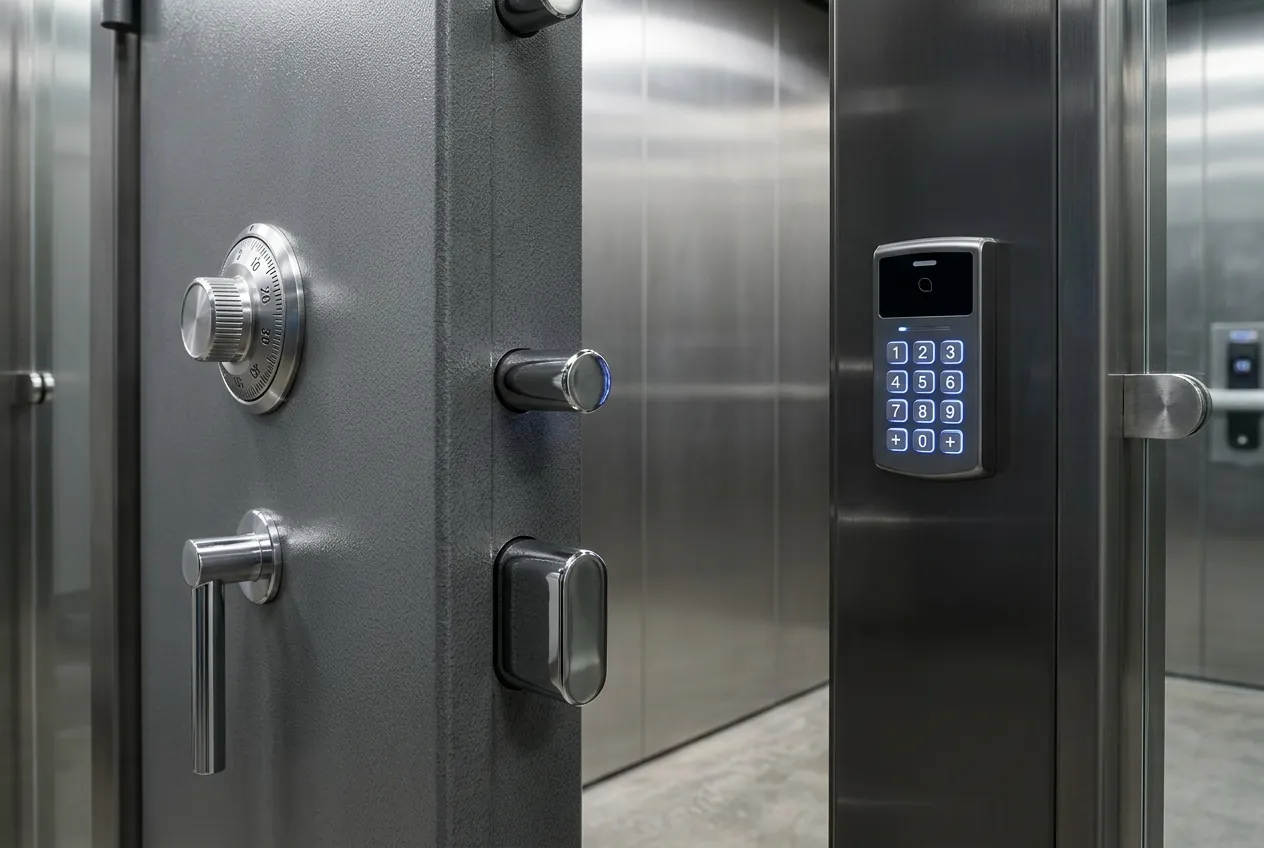
Safe and access-control calls tend to fall into a few recognizable situations:
Reach our team at (866) 472-3979 and describe the lock, door, or vehicle and what is happening.
Give your address or location so we can send a locksmith working that part of the metro.
Before any work starts, the technician looks at the lock or vehicle and explains what the job involves.
Once you are clear on the scope, the technician carries out the lockout, rekey, repair, or installation.
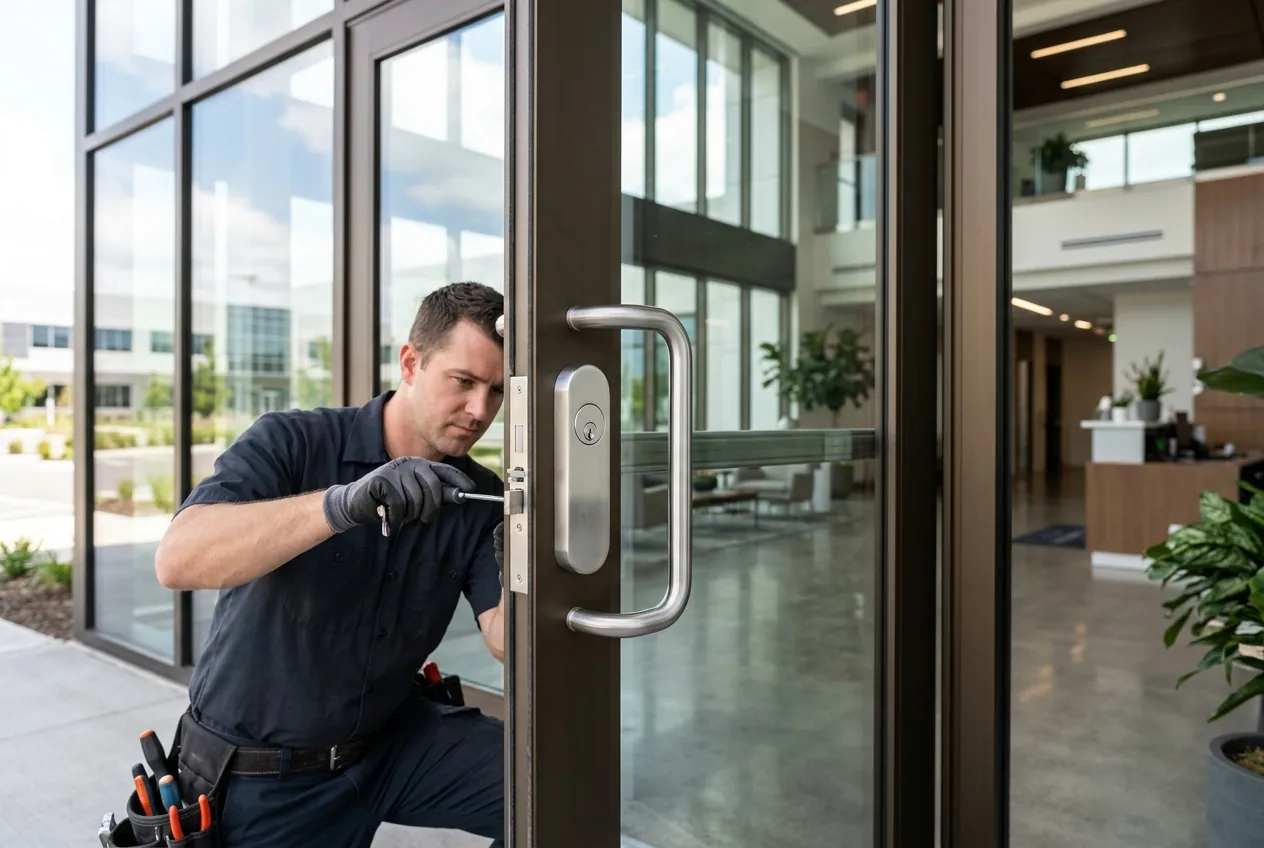
Outcomes on a safe depend heavily on its construction. Older or lower-security safes can often be opened through known manipulation or drilling techniques with modest cosmetic impact. High-security safes are built specifically to resist this, and opening one may require more invasive methods or may not be practical without factory involvement.
For keyless entry, a standalone keypad deadbolt or lever lock is a self-contained unit that does not require wiring back to a central panel, which makes it a practical fit for a single door on a home or small business.
A networked access control system, with multiple doors reporting to a central panel and software, is a different scale of project than a standalone lock and is generally handled separately from a standard service visit.
Expand any of the sections below for the detail behind a visit.
Older homes in the metro sometimes have a built-in wall or floor safe from a previous era that current owners inherit without documentation; identifying the make and model is usually the first step before discussing options. Small businesses along retail corridors frequently ask about a keypad lock for a stockroom or back office specifically to avoid rekeying every time staff turns over, which a standalone keypad handles without the cost of a full access control system. For safes bolted into a closet floor or a poured foundation, placement and anchoring were decided when the safe was installed; the technician can advise on whether a current setup is sound if you are unsure.
For a safe, the technician identifies the make, model, and lock type first, because that determines what approaches are realistic and what impact each would have. They check whether the issue is the code and combination or the bolt mechanism itself. For access control they look at the door prep, whether the existing hardware can accept a keypad unit, and how many users and doors need to be covered.
For a safe, gather the make and model, any paperwork, receipts, or codes you still have, and something showing the safe and its contents are yours. Describe exactly what the lock is doing, whether the dial spins freely, the keypad is unresponsive, or the code is accepted but the door will not open.
A few words that come up during this kind of visit, without the jargon.
No. Some safes, particularly high-security models, cannot be opened without specialist tools or damage. The technician assesses the make, model, and lock type before deciding on an approach.
The technician handles standalone keypad and single-door keyless setups. Large networked or multi-site systems are outside the scope of a standard visit.
The safe's make and model, any paperwork or codes you still have, proof that the safe and its contents are yours, and a description of what the lock is doing.
It depends on the method required for that specific safe. The technician explains the likely approach and any expected impact before starting.
In many cases, once access is regained, the technician can help set a new code, depending on the model.
If you have a handful of doors and users, a standalone keypad is usually simpler and less costly. The technician can talk through your specific situation.
Most standalone keypad deadbolts keep a mechanical key override as a backup, which is worth keeping rather than discarding.
The technician can advise on placement and anchoring. Moving a heavy safe is a separate specialist job depending on its size and where it sits.
It varies by model, from a handful to several dozen. The technician can recommend hardware suited to how many people need their own code.
Call and describe your situation and location, and one of our locksmiths serving your area will come out to you.