Keys that will not turn, stuck ignitions, and worn cylinders looked at on site across the Atlanta area.
Ignition problems show up as a key that will not go in, will not turn, or turns only with force, and sometimes as a key that gets stuck. The cause can be a worn ignition cylinder, a worn key, debris, or a steering-lock bind.
A technician checks the key and the cylinder, tries simple fixes such as clearing the keyway and releasing the steering lock, and then advises whether the cylinder needs to be rebuilt or replaced.
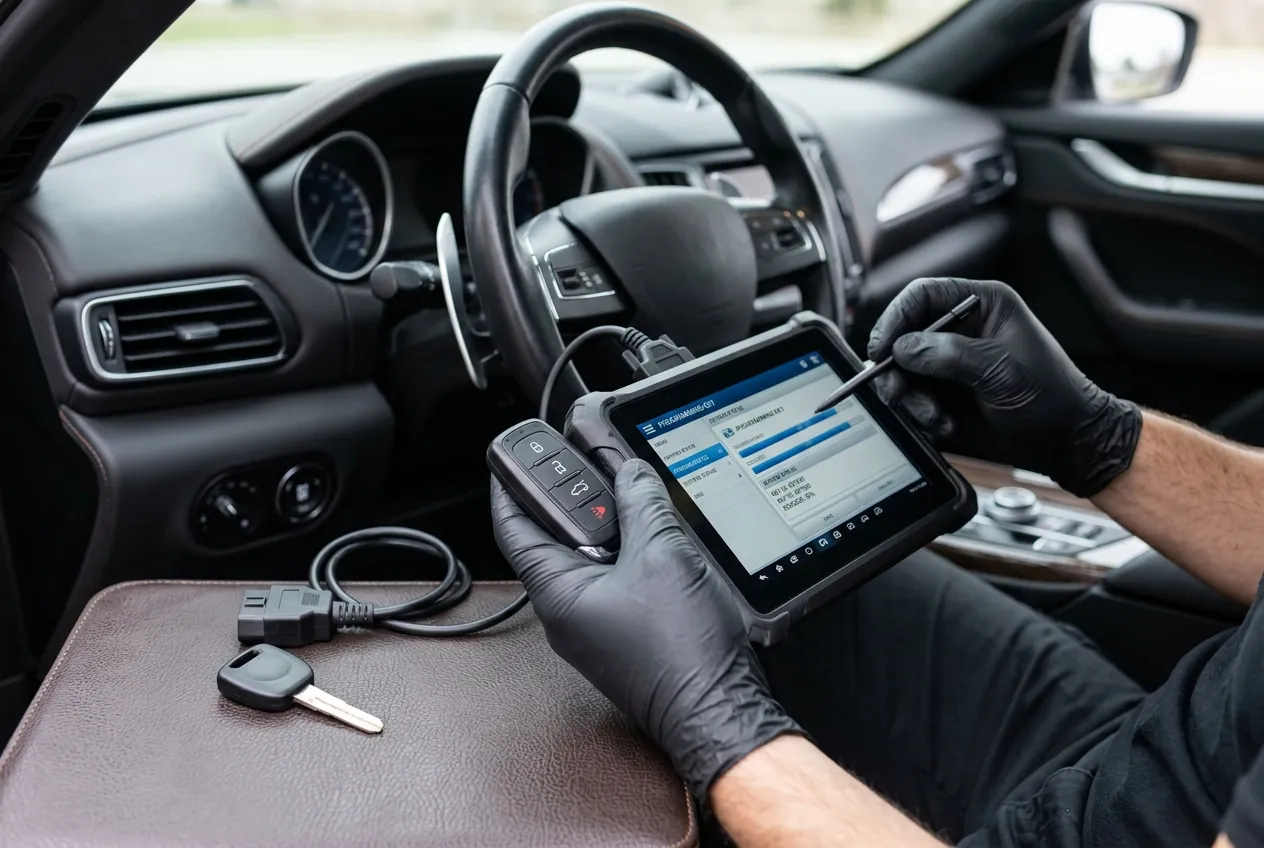
Ignition trouble usually announces itself gradually before it becomes a full stop. Watch for:
Reach our team at (866) 472-3979 and describe the lock, door, or vehicle and what is happening.
Give your address or location so we can send a locksmith working that part of the metro.
Before any work starts, the technician looks at the lock or vehicle and explains what the job involves.
Once you are clear on the scope, the technician carries out the lockout, rekey, repair, or installation.
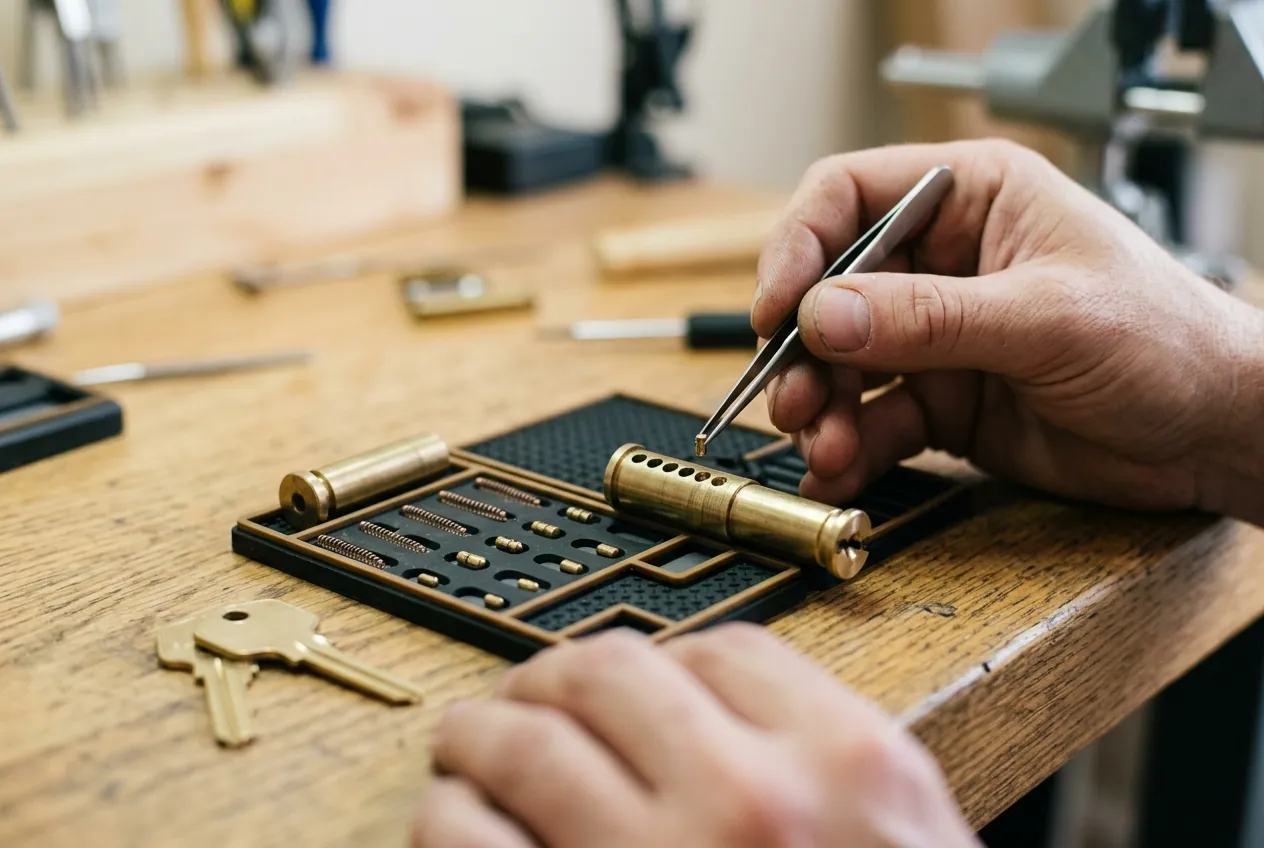
The technician starts by comparing your key's condition to how it behaves in the ignition versus other locks on the vehicle, such as the doors, since that comparison often points to whether the key or the cylinder is the actual source of the problem.
Simple causes are ruled out first: a bound steering lock, debris in the keyway, or a worn key that a fresh cut would resolve. Only after that does the conversation move to rebuilding or replacing the cylinder itself.
Replacement, when needed, is usually keyed to match your current key rather than issuing an entirely new key, so you are not left juggling two different keys for the same car.
Expand any of the sections below for the detail behind a visit.
Because most ignition diagnosis and many repairs can be done at your vehicle's location, a driveway, office lot, or roadside stop is usually sufficient without needing a tow to a shop. Some vehicles integrate the ignition cylinder closely with steering column components in a way that is better handled with dealer or shop equipment; the technician will tell you plainly if your vehicle needs that route rather than attempting a fix that will not hold. If the issue turns out to be your key rather than the ignition, cutting a fresh key on site is often the simpler and faster fix, which the technician will suggest first when the symptoms point that way.
Diagnosis comes before any repair. The technician tries the key in the door locks as well as the ignition, since a key that works everywhere except the ignition points at the cylinder rather than the key. They check for a bound steering lock, debris in the keyway, and how much play the cylinder has with the key inserted. Only after ruling out the simple causes does replacement enter the conversation.
Bring every key you have for the vehicle, including spares that are rarely used, since comparing them tells the technician a lot. Note when the problem started and whether it has been getting gradually worse. Have the vehicle's year, make, and model and proof of ownership available.
A few words that come up during this kind of visit, without the jargon.
A worn key often shows rounded cuts and works better in the doors than the ignition. The technician compares the key to the cylinder to identify which needs attention.
In many cases the work is done on site. Some vehicles require removal of steering-column components that are better handled at a shop; the technician will say so during diagnosis.
If the cylinder is replaced it may come with its own key, though the technician can often key it to match your current key so you keep one key for everything.
That pattern usually points to the ignition cylinder specifically rather than the key, since a worn key would typically struggle in every lock, not just one.
Not necessarily. A locked steering wheel prevents the key from turning until the lock is released, which is a separate mechanism from ignition cylinder wear, though they can feel similar.
It tends to get worse gradually rather than fail without warning, but a cylinder that is already difficult to turn is worth addressing before it fails you at an inconvenient time.
Yes. The technician can look at the symptoms and explain what is likely happening before you decide how to proceed.
Often, yes. If the cylinder is sound and the key is simply worn, cutting a new key to the original specification is the faster and less involved fix, and the technician suggests that first when the symptoms fit.
It tends to worsen gradually rather than fail suddenly, but a cylinder that already needs coaxing is worth addressing before it strands you somewhere inconvenient.
Call and describe your situation and location, and one of our locksmiths serving your area will come out to you.