Residential, commercial, and automotive locksmith work across Midtown Atlanta and the nearby Intown Atlanta area.
Midtown runs from the Downtown edge up to the north side of Piedmont Park and blends residential towers, arts venues, corporate offices, and a walkable retail strip along Peachtree. The neighborhood's mix of new high-rises and preserved early-1900s homes on the side streets means one visit may involve a fob system and the next a century-old lock.
Peachtree-corridor buildings are newer high-rises with electronic lobby access and lever hardware on units. The historic district streets east and west of the corridor keep single-family homes and small multiplexes, many with original or period-style mortise locks and wood doors that shift with humidity.
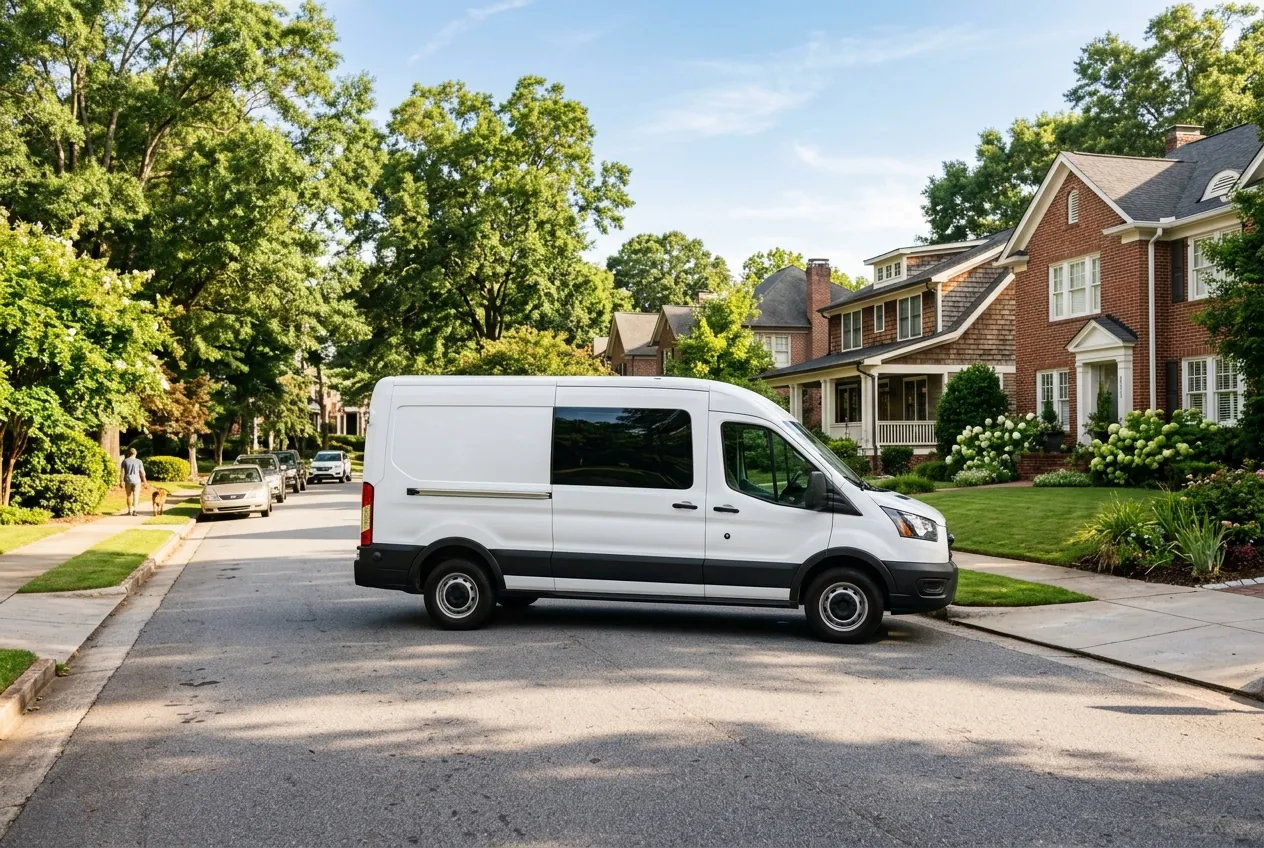
The calls we get most often here are high-rise unit lockouts, historic-home lock repair, and move-in rekeys.
Expand any section for the practical detail behind a visit in Midtown Atlanta.
Midtown runs roughly from North Avenue up to the edge of Piedmont Park, taking in the Peachtree office and residential corridor, the arts district around the Woodruff Arts Center, the Georgia Tech edge to the west, and the quieter residential streets of the Midtown Historic District to the east. That last part is the surprise for most people: a few streets off the corridor, the housing shifts abruptly from towers to century-old single-family homes.
High-rise visitor parking and loading areas vary building to building, and some towers require a call up from a lobby phone before a guest can be let in, so mentioning your building's specific entry process when you call helps the technician get to your door without delay. On the historic side streets, on-street parking is typically the norm and is usually straightforward outside of event nights near the arts venues.
In a tower, have your unit number and know whether guests are admitted by a front desk, a call box, or a resident fob. On the historic streets, on-street parking is normally straightforward, but noting which door is affected helps, since many of these homes have a front door, a side entrance, and a rear door with different hardware on each.
Coverage through Midtown is generally steady. Evening events at the arts venues and along the Peachtree corridor are the main thing that affects travel times, and street parking near those venues gets tight when something is on.
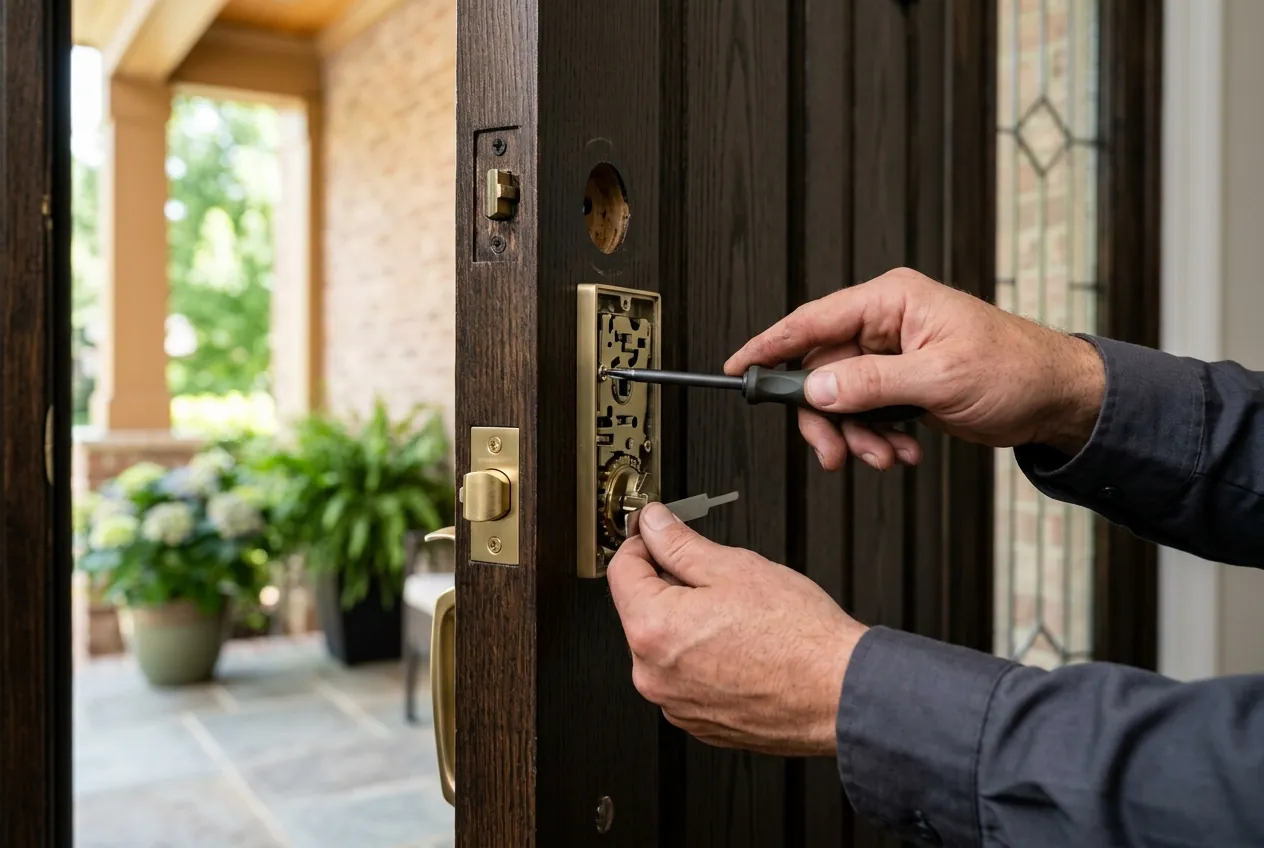
The split between towers and century-old houses means the security conversation changes street by street. In a tower, unit hardware is usually modern and the useful step is a rekey after a lease or purchase, since keys accumulate over a building's life. In the historic district the picture differs: original mortise locks are often still in service, and while they can be handsome and repairable, some were built to a standard set long before current expectations. Adding a properly anchored deadbolt to a period door without altering its appearance is a common request here. Wood doors in these homes also move with the seasons, which affects how fully a bolt seats.
Midtown's commercial base runs from corporate office floors along the Peachtree corridor to independent studios, clinics, salons, and restaurants on the surrounding streets. Smaller independent tenants tend to call about suite lockouts, worn entrance hardware, and rekeys at lease turnover, while larger offices more often need master keying reviewed as teams and floor layouts change. Ground-floor hospitality businesses put unusually heavy use on their entrance hardware, so closers, exit devices, and cylinders wear faster here than in a quieter office setting. As with any managed building, confirming who can authorise the work is part of arranging the visit.
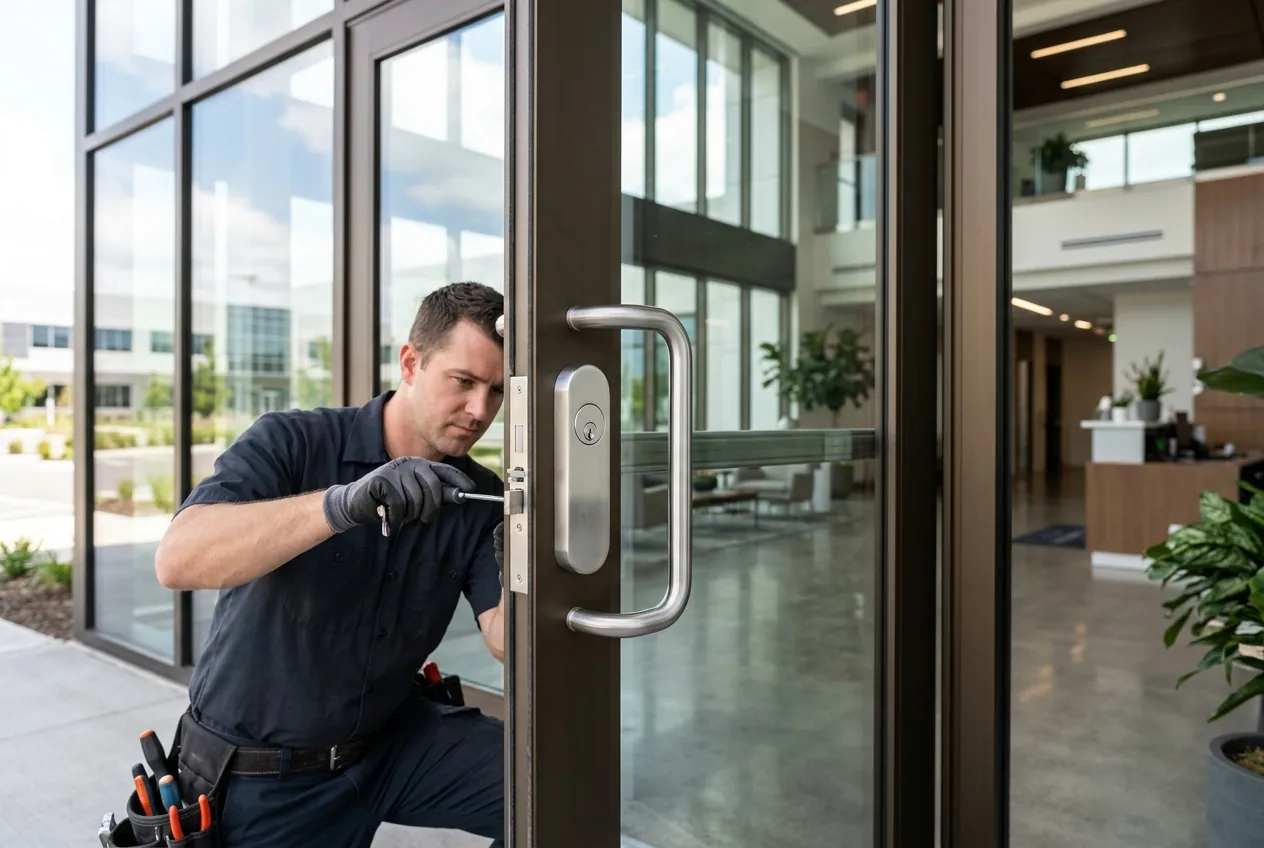
The same twelve services are available across the metro. These six cover most of the work we do locally.
Four words that come up regularly, without the jargon.
Midtown Atlanta is part of the Intown Atlanta coverage area, alongside these nearby communities.
Downtown covers a tight grid from the government and business district out to the stadiums and the convention corridor.
Downtown Atlanta locksmith →Virginia-Highland is a compact, largely residential neighborhood of 1920s–1940s bungalows and Craftsman homes around a small commercial node at the Virginia and Highland intersection.
Virginia-Highland locksmith →East Atlanta centers on the East Atlanta Village commercial strip and spreads into hilly residential streets of older homes.
East Atlanta locksmith →Coverage spans Midtown Atlanta and the areas around it, though which technician is available depends on time of day and demand. Our team can confirm coverage for your exact address when you call.
You call (866) 472-3979, describe the lock, door, or vehicle and your location, and a technician working the Intown Atlanta area comes out to meet you. The technician reviews the job before starting.
We answer calls 24 hours a day, and overnight lockouts in Midtown Atlanta can be handled subject to locksmith availability at that hour.
Yes. Technicians working Midtown Atlanta cover homes, apartments and condos, and local businesses, from lockouts to rekeying and hardware installation.
Your address, a nearby cross street or landmark if the address can be hard to spot, and whether you are at a home, an apartment or condo unit, a business, or a vehicle. That detail helps route the right technician to you without delay.
For most makes and models, yes, at whatever location the vehicle is in. Provide the year, make, and model when you call so our team can confirm whether the key can be cut and programmed on site.
Someone authorised for the property needs to be there. The technician confirms authorisation before opening a locked door or changing hardware, so a tenant, owner, or an approved contact should be on site.
Coverage through Midtown is generally steady. Evening events at the arts venues and along the Peachtree corridor are the main thing that affects travel times, and street parking near those venues gets tight when something is on.
Call and our team can tell you whether we can reach you where you are.